Smarter cleaning starts with the right microfibre.
Professional microfibre technology for efficient, hygienic cleaning, from everyday surface care to specialist floor and healthcare applications. Ecosustain combines Decitex products with practical advice and suitable cleaning solutions.
Generated atmosphere image based on the official product photograph.
Decitex · Smart Textiles
French microfibre expertise. Practical Ecosustain advice.
Decitex develops professional microfibre textiles and cleaning systems. Proper Products, the organisation behind Ecosustain, has worked with the French manufacturer for many years. We bring product selection, method and maintenance into one central range.
Cleaning without chemicals. The right fibre, the right method.
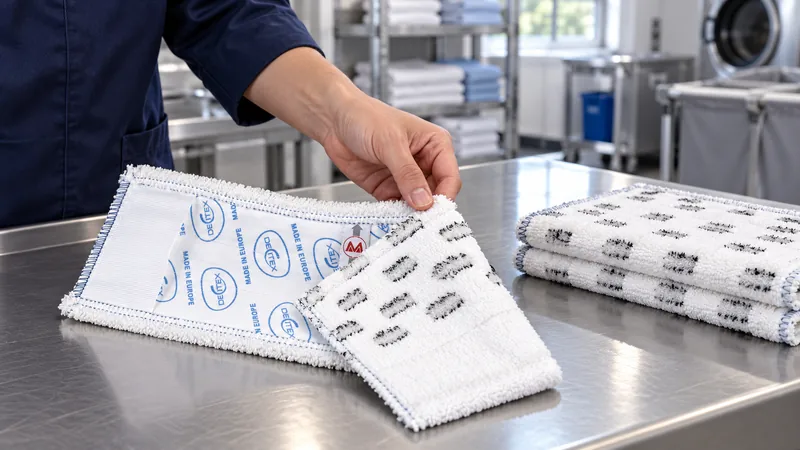
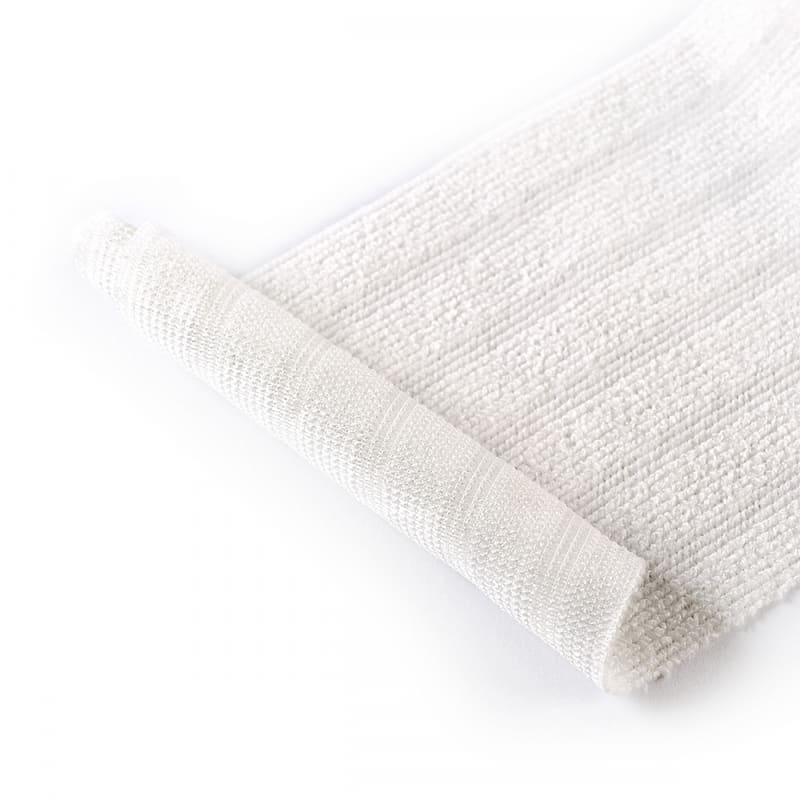
For suitable applications, microfibre and water mechanically collect dirt. Fibre composition, textile construction, moisture and method work together. A smooth nonwoven NT100 differs from a knitted MiNi cloth or Ultimate mop, so compare the actual product properties.
Create a consistent method across locations with suitable cloths, mops and clear item codes.
Different surfaces, staff and routes call for a manageable range. Colour and size configurations must remain identifiable when ordering and restocking.
Start with a focused selection for each task. Define zoning and changes, organise laundering and compare actual costs per work round. Add an Ecosustain cleaner where the soil, surface and instructions justify it.
Match textiles to the local hygiene protocol and separate clean and used material flows.
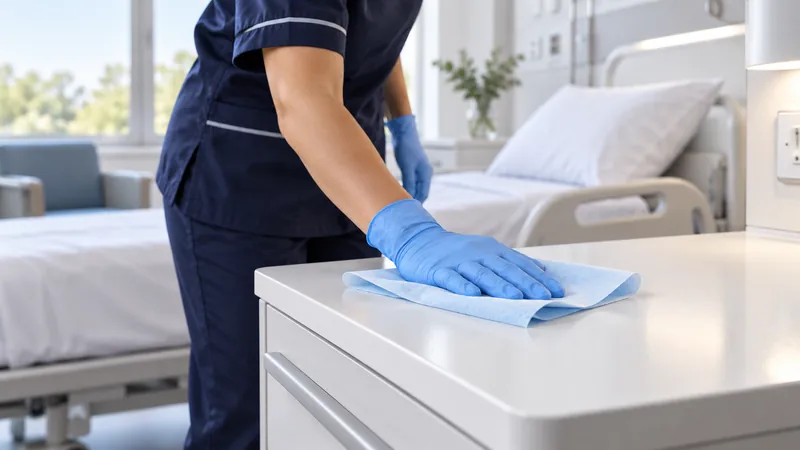
Risk zones, contact surfaces and prescribed changes determine preparation and stock levels. Cleaning and any required disinfection must remain distinct steps.
Review selection with the hygiene lead. Check use and wash protocols for each configuration. Assess reuse, short use and single use within the actual organisation; a product name does not approve it for every healthcare room.
From room interiors to mirrors and floors, choose an identifiable selection for housekeeping tasks.
Varied finishes, limited working space and high expectations of appearance require a considered work sequence.
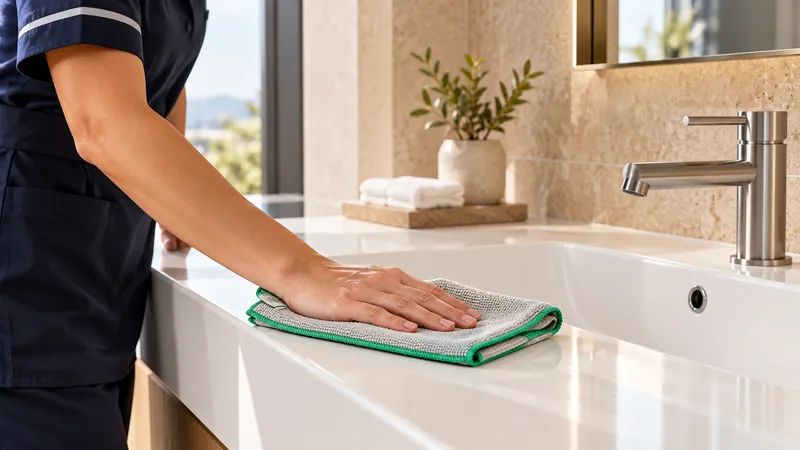
Separate washrooms and interiors using the colour scheme and check suitability for delicate finishes. Prepare enough clean textiles for each room or route. Match any Ecosustain interior or washroom cleaner to the material and instructions.
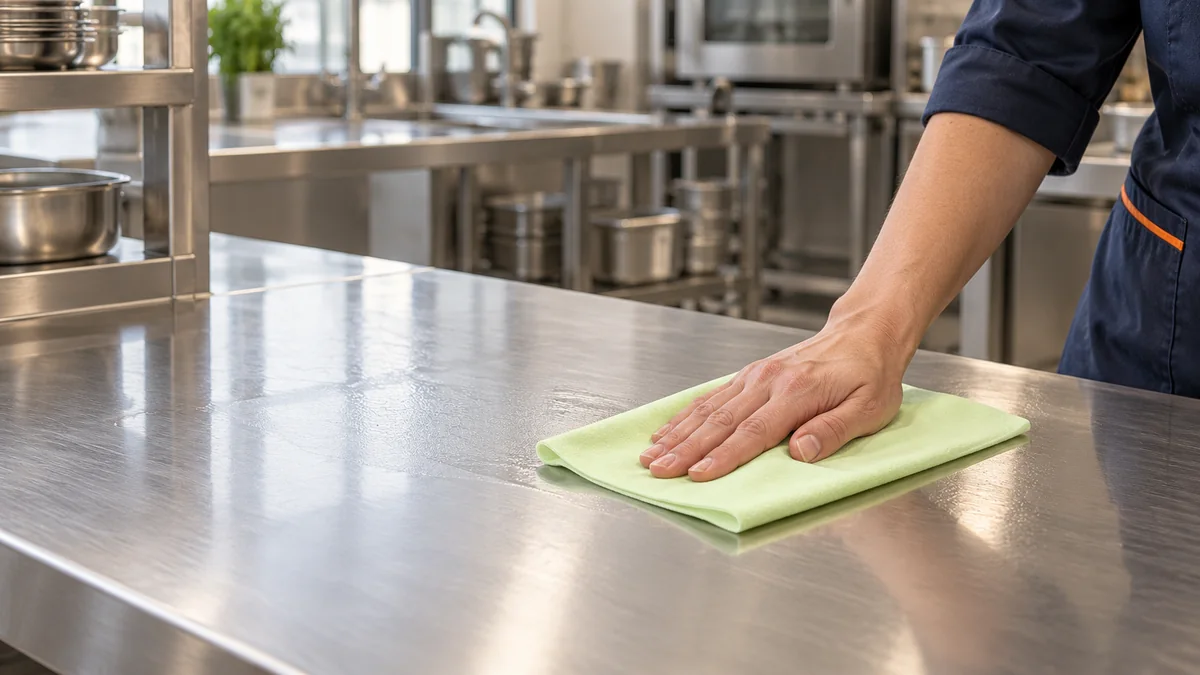
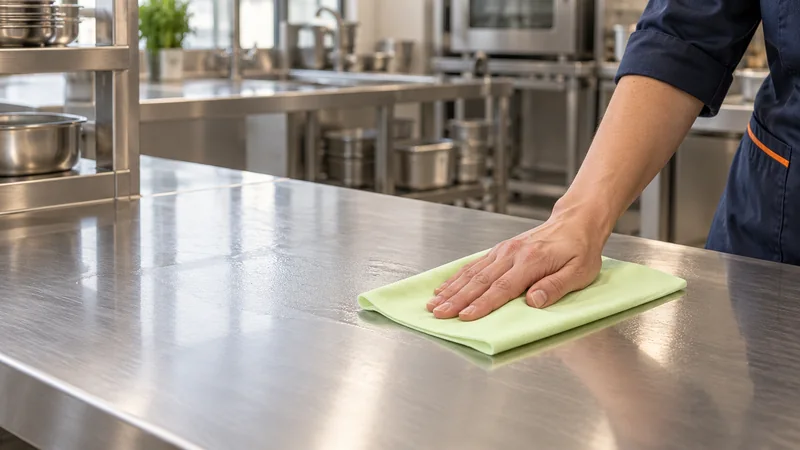
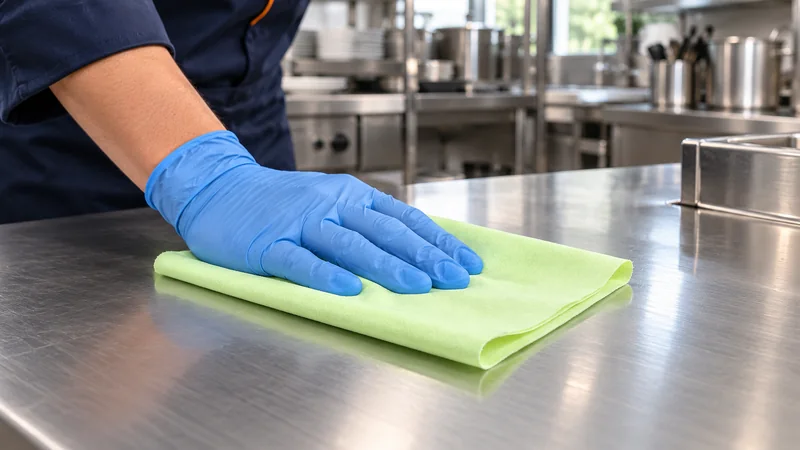
Green NT100 Infinite is used in the Ecosustain kitchen presentation. Define the actual colour scheme within your own operating procedure.
Worktops, equipment, grease and different work zones require a targeted approach. A clean appearance does not complete a food-safety procedure.
Use separate cloths for agreed zones and change them under the kitchen protocol. Check food-contact-surface requirements and any disinfection separately. For persistent soil, choose a suitable Ecosustain kitchen product with the specified dosage and rinsing instructions.
Organise daily surface cleaning and floor care through one clear working method.
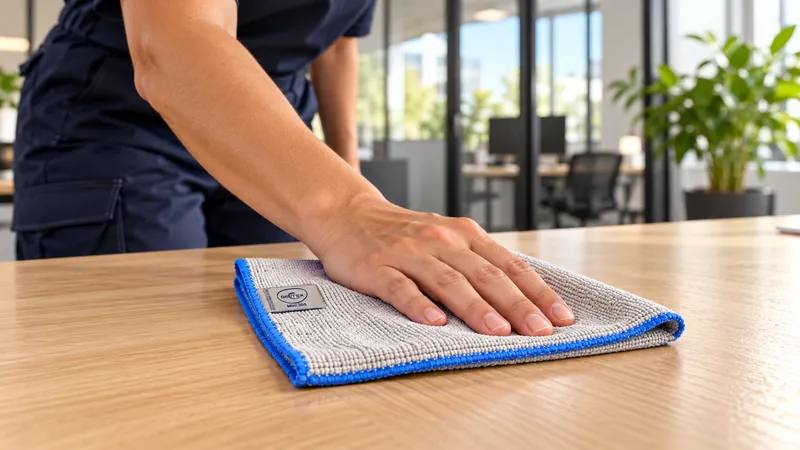
Desks, shared touchpoints, glass and different floors require different contact areas and sometimes different methods. Sensitive equipment has its own care instructions.
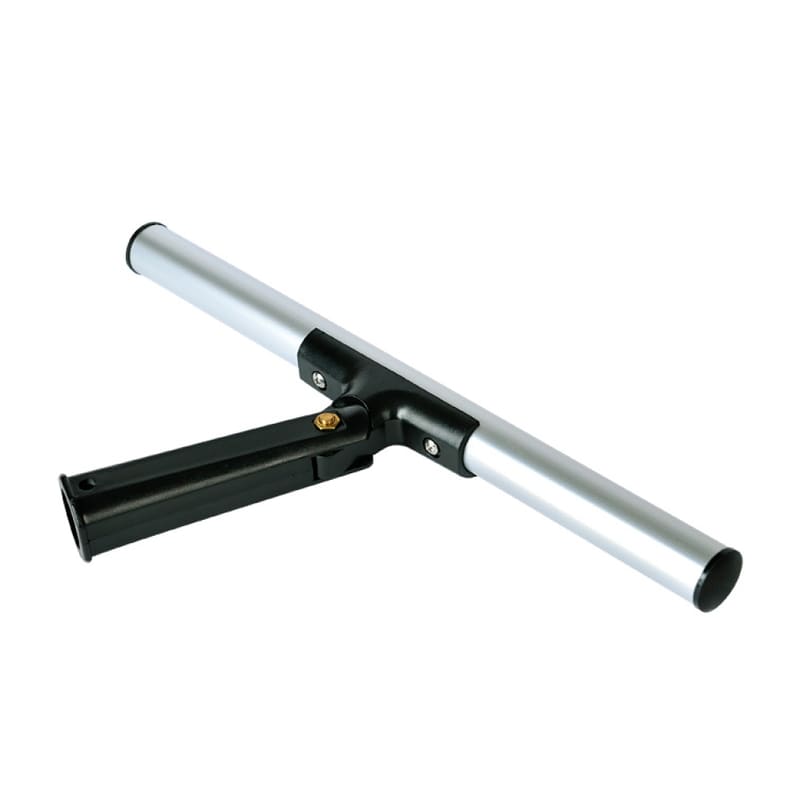
Choose a suitable cloth and moisture level for each surface. Check screens and electronic equipment with their supplier before including them in a standard round. Match mop width and handle settings to furniture, obstacles and the operator.
Choose a method that stays clear across changing users, rooms and cleaning schedules.
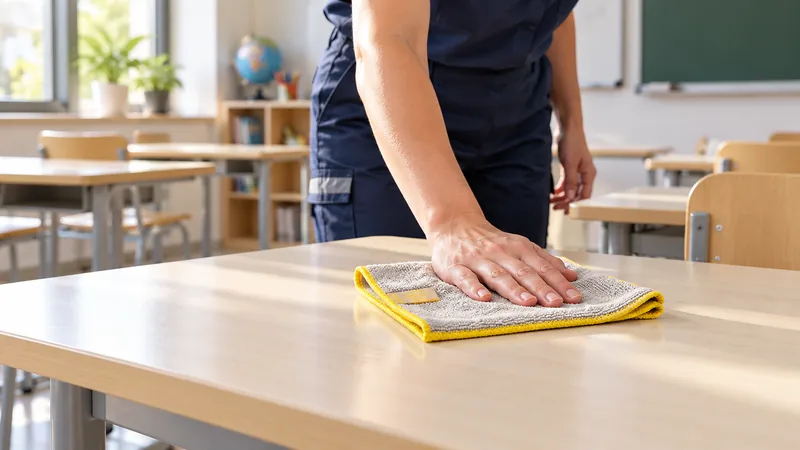
Classrooms, washrooms, canteens and circulation areas have different soil and busy periods. Standardised stock helps only when applications remain clearly separated.
Define colour zones and change points, provide clean textiles for planned rounds and organise the return of used material. Match the method to the floors and building care plan rather than time pressure alone.
Reusable products depend on correct washing, dosing and drying. Recycled materials are specified per product; a percentage does not apply automatically to the entire collection. Microfibre release also deserves attention during use and washing.
Where water and microfibre suffice, keep the method simple. If the surface or soil needs detergent, compare Ecosustain solutions for that application and check instructions. Chemical suitability and material restrictions are not inferred from colour or size.
Every product sheet links to the official manufacturer page. Available use protocols are shown for the correct size, with a visual preview, keeping documents connected to the selected configuration.
Microfibre and water can clean suitable surfaces and soils. Choose the right textile, moisture and method. Disinfection, scale or stubborn deposits may require a different protocol.
Is every green cloth the same configuration?
No. Colour is one variant attribute. Model, size, construction and article code identify the item. MiNi 200 has a grey body with coloured trim and label.
How do I choose a mop and frame?
Compare both size and fastening. Pockets, tabs, hook-and-loop, silicone and Skate are different systems. Product pages distinguish verified connections from candidates that need a size check.
Where are the prices?
Select products and configurations in the quotation list. Ecosustain then prepares a tailored quotation. Prices and tiers are managed internally in quotation admin.
Ecosustain × Decitex
Build your cleaning system.
Select products and configurations in the central range. Ecosustain helps with a suitable method and tailored quotation.

 T BAR
 Microfibre and Nordic Swan ↗PDF · FR · 6 pages · 230329